Bille Kingdom is one of the oldest and most historically significant riverine communities in the eastern Niger
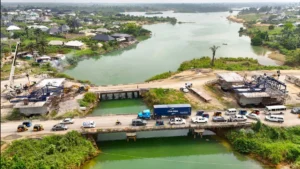
Delta of Nigeria. Located in Degema Local Government Area (LGA) of Rivers State, the kingdom occupies a
strategic position within the extensive network of creeks, mangrove forests, estuaries, and coastal waterways
that characterize the Niger Delta region. The kingdom is predominantly inhabited by the Bille people, an Eastern
Ijaw ethnic group whose history, culture, and livelihoods have been closely linked to the aquatic environment
for centuries.
Traditionally, the people of Bille have relied on fishing, canoe building, maritime trade, farming, and other
water-dependent occupations for their survival. Their location within the heart of the Niger Delta has also placed
them at the centre of Nigeria’s petroleum economy, making the kingdom both a beneficiary and a victim of oil
and gas extraction activities.
Today, Bille Kingdom represents one of many Niger Delta communities facing the complex consequences of
decades of hydrocarbon exploitation, including environmental degradation, loss of traditional livelihoods,
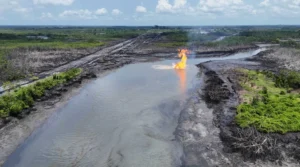
ecosystem destruction, and public health concerns. The ongoing gas bubbling and hydrocarbon eruption
documented during the June 2026 field visit by Lincgreen Climate Change Initiative with the aim to further
highlights the environmental vulnerabilities confronting the kingdom.