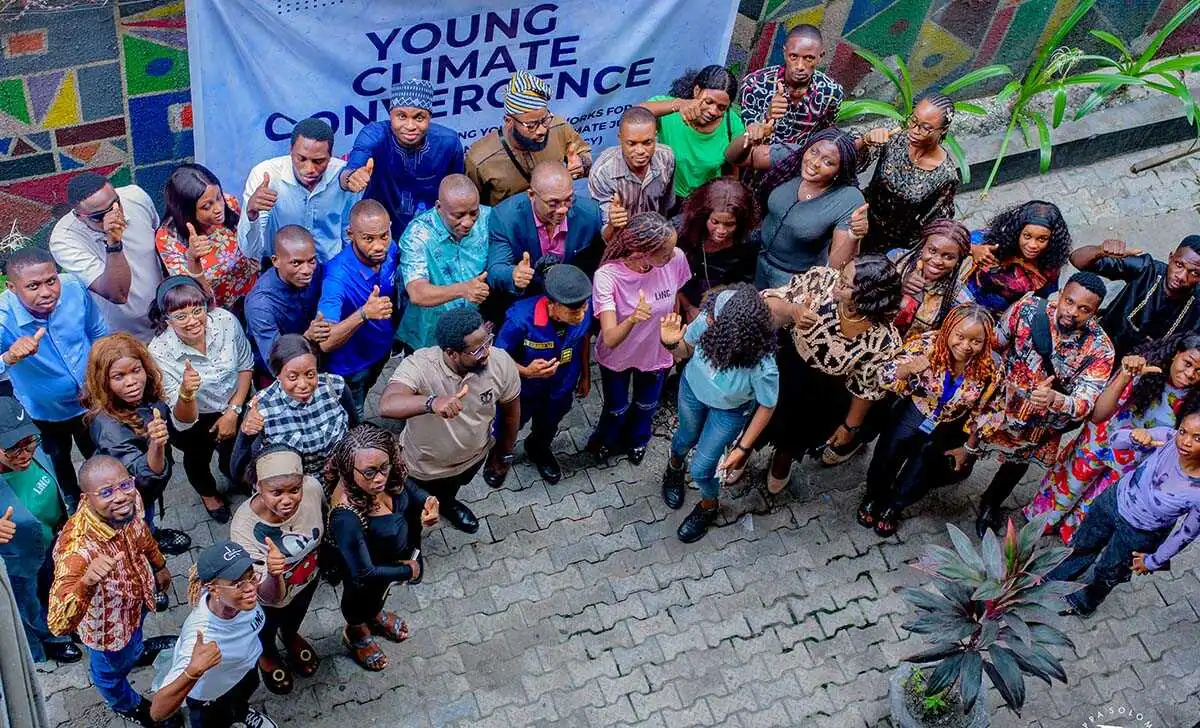
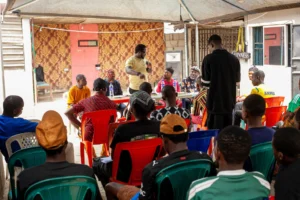
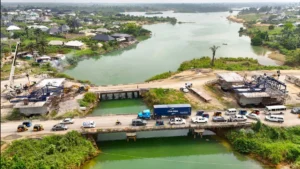
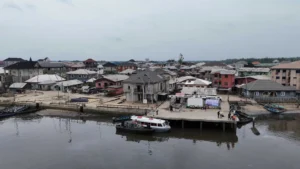
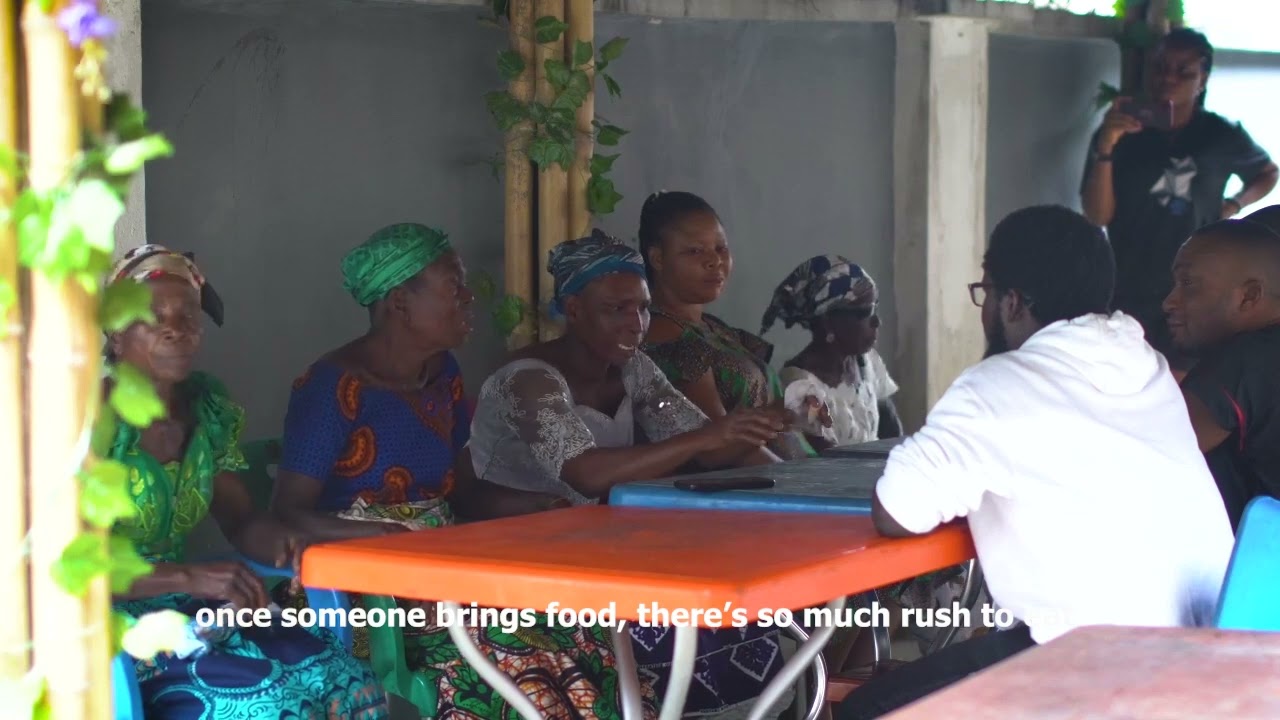
A raging environmental crisis is unfolding in Ofiomina-Ama, Alakiri, in Okrika Local Government Area of Rivers State, where a fire outbreak linked to an oil wellhead has continued to burn for more than 2 Years, devastating the ecosystem and threatening human life. Reports indicate that the incident is tied to Well 9, reportedly operated by NNPC, and has remained active for over two years without effective containment. The fire, which burns directly on the water surface, has destroyed fishing routes, polluted the river, and rendered farming nearly impossible for the Ofiomina-Ama people. Residents say the blaze has cut off their livelihoods entirely, leaving them in constant fear and uncertainty. The situation reflects a deeper pattern of environmental neglect in the Niger Delta, where oil infrastructure failures continue to result in long-term ecological damage and human suffering. What is most alarming is not just the scale of the pollution, but the prolonged inaction. Community members have raised concerns and even threatened protests, calling on the federal government and relevant agencies to intervene and hold operators accountable. Our team visited Ofiomina-Ama to assess the situation firsthand. What we encountered was both heartbreaking and urgent. The river, once a source of life, now carries flames and the thick smell of hydrocarbons. The silence of abandoned fishing routes tells a deeper story than statistics ever could. We spoke with residents whose lives have been disrupted for years. Mothers described how their children can no longer swim or fetch water safely. Fishermen pointed to the burning surface, explaining how their nets now return empty. There is a visible loss not just of livelihood, but of dignity and security. This is more than an environmental incident; it is a human story of neglect, resilience, and the urgent need for justice. As an organization committed to climate justice and community voices, our documentation seeks to amplify these realities and push for immediate remediation, accountability, and a transition away from extractive systems that continue to endanger vulnerable communities. The story of Ofiomina-Ama is not isolated. It is a reflection of what happens when policy, regulation, and corporate responsibility fail to protect the people and the environment. And it reinforces one message clearly: Nigeria must truly begin to look beyond oil.